
iPhone 18 Ultra
Accessories for the iPhone 18 Ultra are protection matched to a foldable phone, also described as the iPhone Fold. A design like this has two displays and a moving hinge, so it plays by different rules than a classic smartphone.
Here you will find cases built from a two-piece shell, flexible films for the inner display, tempered glass for the outer screen and camera module protectors. We explain how to match protection to the way you actually use your phone, and why accessories are always bought for one specific model.
No products match your criteria
More in iPhone
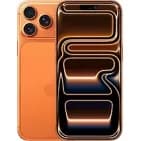
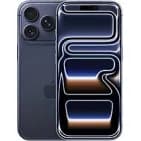
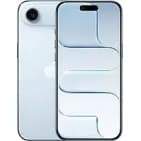
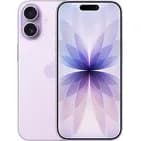
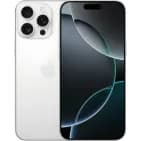
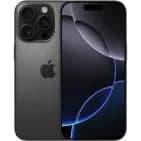
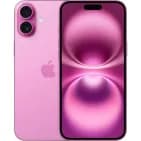
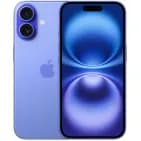
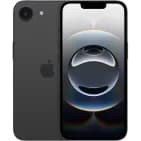
Accessories for the iPhone 18 Ultra — protecting a foldable phone
The iPhone 18 Ultra, also called the iPhone Fold or simply the foldable iPhone, opens like a book: the smaller outer screen handles quick tasks, while the larger inner one unfolds for work, reading and watching. That has three consequences when you pick accessories. There are two surfaces to protect instead of one, the body contains a moving hinge, and the case is not a single shell but two, each clipped to its own half.
A full protection kit for a foldable therefore looks nothing like the one for an ordinary smartphone. This category gathers every part of it: iPhone 18 Ultra cases, screen protectors, tempered glass, hybrid glass and camera lens protectors.
Two displays, two different protective products
The outer screen is flat and rigid — it behaves like the display of an ordinary phone, so it takes tempered glass, hybrid glass and film alike. The inner screen is a folding panel: its top layer is flexible, because it has to survive tens of thousands of bending cycles. You never apply rigid glass to a display like that — the sheet cracks along the fold line, lifts at the edges, and the shards can damage the panel underneath. The only correct product there is a thin flexible film.
The factory protective layer on the inner screen is part of the display assembly and should not be peeled off yourself; the film goes on top of it. The crease along the fold line stays noticeable under your finger — that is a property of the design, not a fault of the film or grounds for a complaint.
Which iPhone 18 Ultra case to choose
Two-piece build and hinge cover
A case for a foldable is usually made of two shells, one for each half. Pricier models add a bridge or a magnetic flap covering the hinge, which keeps dust away from the mechanism. The case also has to let the phone close completely: excess material near the hinge pushes the halves apart, strains the mechanism and leaves a gap that lets grit inside.
Materials and finishes
- Silicone — soft and secure in the hand, they absorb small drops well; they do pick up dust and pocket lint.
- Clear hybrid — rigid back with a flexible frame, they show off the colour of the body; the cheapest versions yellow over time.
- Rugged — reinforced corners, raised edges and a declared drop rating, at the cost of thickness and weight.
- Leather and premium — genuine or vegan leather that ages nicely, rarely with any real corner cushioning.
- Magnetic — with a magnet ring for mounts, wallets and wireless charging.
Matching protection to how you use the phone
- Manual work, site and warehouse — a rugged case with a hinge cover and glass with a bevelled edge; on a foldable, dust is often more dangerous than a drop.
- A phone in children's hands — a thick shell with a raised lip around both screens and a film that is cheap to replace.
- Cycling and running — a magnetic case that works with a mount, with no play along the hinge line.
- A pocket with keys and coins — the priority is the lens protector and glass on the outer screen, because those are what meet the metal.
- Office and light use — a slim case plus film; a foldable is already thick when closed, so every extra millimetre is noticeable in the hand.
Glass, film and lens protection
On the outer screen, 9H tempered glass with full glue works well, and if you want less thickness and better crack resistance, go for hybrid glass. The inner screen is protected by hydrogel or TPU film. The camera module sits proud of the body and touches the table first when you put the phone down, so it is worth adding a camera lens protector. Matte versions scatter reflections and cut down fingerprints, while privacy versions narrow the viewing angle from the side.
Compatibility — accessories are matched to one specific model
This rule has no exceptions: rigid cases, glass and lens protectors fit only the model they were designed for. Variants of the same series differ in height, width, corner radius and lens layout, so a shell from the neighbouring model either will not go on or will block the buttons and the flash. On a foldable the difference is bigger still, because the split into two shells and the hinge geometry come into play. So look for a product that names the model outright. The remaining variants of the series have a one-piece build and their own selection rules — we have gathered their protection in the iPhone 18 Pro Max, iPhone 18 Pro and iPhone 18 categories, and accessories for the previous generation sit among protection for the iPhone 17 Pro Max.
Charging and companion accessories
Apple's charging ecosystem is built on the USB-C port, Qi2 wireless charging and magnetic MagSafe. A case with a built-in magnet ring is what keeps MagSafe accessories — mounts, wallets and chargers — firmly in place. With thick rugged shells, wireless charging can be slower or may require taking the case off, because the distance between the coils grows. Chargers, cables and power banks from the charging section are universal and will outlive a change of phone, and our full range for Apple hardware is gathered in the iPhone and Apple categories.
Frequently asked questions
Are the iPhone Fold and the iPhone 18 Ultra the same device?
Yes — both names are used interchangeably for the foldable iPhone and refer to the same phone. If you are looking for a case or film under the term “iPhone Fold”, you land on exactly the products we describe in this category.
How many protective products does a foldable phone need?
Three in practice: a case, protection for the outer screen (glass or film) and, separately, a flexible film for the inner screen. One sheet cannot cover both displays, because they differ in size and in the nature of the surface.
Can tempered glass be applied to the inner screen?
No. A rigid sheet cannot take thousands of bending cycles — it cracks along the fold line and lifts at the edges. The flexible panel is protected by film only.
Will a case from another model fit?
No. Every model has its own dimensions, lens spacing and button positions, and on a foldable there is also the split body and the hinge. A case is always chosen by the exact model name.
How does protecting a foldable differ from protecting an iPhone 18 Pro Max?
The Pro Max means one rigid screen, one sheet of glass and one case. Here you add a second display, a moving hinge and a body made of two shells.
How do I apply glass without dust or bubbles?
Work in the bathroom after a hot shower, once the dust has settled. Degrease the screen with the wipe from the kit, lift any remaining specks with tape, and lower the glass from the installation frame centre first, then out to the edges. Small bubbles are smoothed from the middle outwards.
Does glass interfere with the sensors or with unlocking?
Properly cut glass with full glue does not cover the sensors and does not affect unlocking. Trouble comes from universal sheets trimmed by eye and from adhesive applied only around the perimeter.
Does a rugged case interfere with wireless charging?
Slim and medium shells do not. With thick armour, and with third-party metal plates or stick-on magnet rings, charging can slow down or cut out — a case with a factory magnet ring is the fix.
How do I care for glass and film so they last longer?
Clean them with a dry microfibre cloth, and for greasy marks use one slightly dampened with water. Alcohol and window cleaners wear away the oleophobic coating, after which your finger starts to drag. Once deep scratches appear, replacing the protective layer is cheaper and safer than polishing the display.