
iPhone 18 Pro
iPhone 18 Pro accessories are a complete protection kit matched to this exact model: cases, tempered and hybrid glass, screen protectors and camera lens protectors.
Here you will find the layers that shield the display, the back, the frame and the lenses from scratches, drops and sand. We explain how the individual types of protection differ, how to match them to the way you use your phone and why accessories are bought for the exact model name, not for a whole series.
Filters
Products


More in iPhone


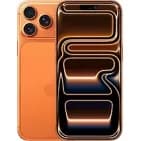
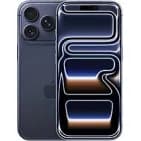
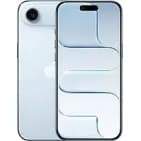
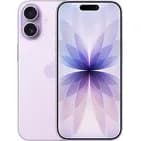
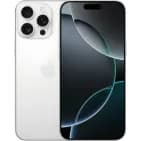
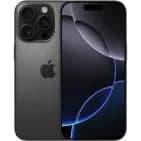
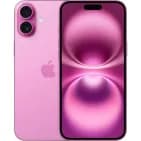
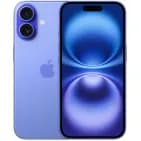
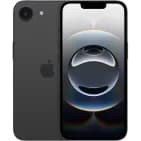
iPhone 18 Pro protection — three layers you choose separately
A sensible protection kit is made up of three independent parts: a case that covers the back and the frame, a layer on the display and a protector for the camera module. Each one deals with a different risk. The case absorbs the energy of a drop and shields the edges, glass or film keeps the panel safe from scratches caused by sand and keys, and a camera lens protector for iPhone 18 Pro shields the lenses, which sit proud of the back and are the first thing to touch the table when the phone lies face up. A scratch on a lens does not go away when you swap the case — it shows up in every backlit shot.
Types of case and who they suit
A case is always a trade-off between thickness, grip and shock absorption. In the iPhone 18 Pro cases category you will find several designs, each built for a different purpose:
- Silicone — a soft layer that softens minor knocks and sits securely in the hand. The choice for anyone whose phone tends to slip out of their fingers; lighter colours pick up marks from denim faster.
- Clear — a rigid polycarbonate back with a flexible TPU frame. For those who want to keep the phone's colour on show; on cheaper versions it is worth checking how resistant the coating is to yellowing.
- Rugged — two layers of material, thickened corners with air pockets and a raised lip above the screen, often with drop testing to the MIL-STD-810H standard. The biggest safety margin, at the cost of bulk and weight.
- Magnetic — a ring of magnets in the back gives you access to car mounts, wallets and wireless chargers without taking the case off. We have gathered the hardware in the MagSafe accessories section.
- Leather and flip — leather develops a patina over time and feels good in the hand, while a flip cover adds display protection and card slots. The price is extra thickness and more awkward wireless charging.
- With a stand or grip — a fold-out kickstand or a finger ring. Handy for watching videos and one-handed use, but it adds thickness to the back.
Screen glass and film — how they differ
- Tempered glass — a single pane around 0.3 mm thick with an oleophobic coating. It absorbs impacts best and feels the most natural under the finger, though a knock on the corner can chip it. Details in the tempered glass for iPhone 18 Pro category.
- Hybrid glass — a flexible substrate with a cured glass or ceramic coating: thinner, chip-free and better behaved on a curved edge, at the cost of surface hardness. Compare them in the hybrid glass for iPhone 18 Pro category.
- Hydrogel film — the thinnest layer of all, it heals shallow scratches and forgives unevenness at the edge, but it gives you no cushioning in a drop. Matte and privacy versions are waiting in the screen protectors for iPhone 18 Pro category.
- Camera lens protector — separate rings over each lens or a single pane covering the whole camera island. You buy it independently of the case: it is a cheap replaceable layer, and swapping the glass costs a fraction of what optics repair does.
What the specs in the descriptions actually mean
- 9H — the result of the pencil test. The surface is not marked by a 9H lead, which means sand and keys will not mark it either. It is a measure of scratch resistance, not of shatter resistance — impact absorption comes down to how thick the pane is.
- Full glue — adhesive across the entire pane instead of only around the rim. It gets rid of rainbow patches in the middle and dust creeping underneath, and it improves touch response as a bonus.
- Oleophobic coating — a layer that limits fingerprints and lets your finger glide. It wears off over time, so older glass gets dirty faster and drags more.
- 2.5D edges — a rounded edge on the pane, so your finger does not catch on a lip during swipe-from-the-edge gestures.
- Case-friendly version — glass cut slightly narrower than the display so the inner frame of the case cannot lift its edge.
- Installation frame — a plastic jig that sits on the phone, lines the pane up perfectly and lets you lower it without shifting. The simplest way to get it right first time.
How to fit glass and film without dust or bubbles
Most failed installations are not the glass's fault, just a speck of dust. Degrease the screen with an isopropyl alcohol wipe, dry it with a microfibre cloth and lift the remaining dust with the sticker from the kit. Work in the bathroom after a hot shower, where damp air settles the dust, and away from draughts. Lower the pane onto the middle of the screen, never from the edge — the adhesive will spread outwards on its own. Push an air bubble towards the nearest edge with the squeegee; if it is still there in the morning, there is a speck under the glass and you need to lift a corner. Hydrogel films are applied wet: a moistened sheet can be repositioned, and the remaining moisture evaporates over two days. Clean the oleophobic coating with a dry microfibre cloth only — alcohol-based products and lens wipes strip it within weeks.
How to match protection to the way you use your phone
- Manual work, workshop, building site — a rugged case with a raised lip and thick tempered glass. Dust and metal filings are the worst environment for coatings, so treat the glass as a consumable.
- A phone in a child's hands — a case with cushioned corners, plus a lanyard or a finger grip. Replacing the glass costs a fraction of the price of a display.
- Cycling, running, sport — a magnetic case or one with a socket for a handlebar mount, and definitely a camera lens protector, because vibration can haze the lenses. The mounts are gathered in the bike accessories section.
- A pocket with keys and coins — a slim case and 9H glass. The real risk here is scratches, not drops.
- Everyday smart — a slim clear or leather case and hybrid glass, which does not add a lip you can feel at the edge.
Wireless charging, magnets and case thickness
Wireless charging works through most cases, but it has its limits. The safe range is cases with a back up to roughly 3 mm thick, with no metal inserts and no card slots — a metal plate or a contactless card between the coils blocks transmission and can heat up. Rugged cases usually charge correctly, if more slowly, because a thicker layer of plastic weakens the coupling between the coils. With magnetic cases, check whether the ring is complete and even rather than made up of a few loose points: a full ring holds a mount when you shake it and centres the charger by itself, so the phone does not heat up from a badly aligned coil. Chargers, cables and power banks are in the charging section.
The compatibility rule — accessories are matched to a specific model
This is the most important rule when buying protection and the only one that never changes. Variants from the same series differ in height, width, corner radius and lens layout, so a case from the neighbouring model either will not go on or will go on loose and cover part of the optics. Protection for the iPhone 18 Pro Max is larger and will not work on a smaller body, and the iPhone Duo needs a design of its own. Glass and film are cut to the exact geometry of the panel and the shape of the sensor cutout, and lens protectors to the exact spacing of the lenses. The only things that carry over between generations are universal accessories: chargers, cables, power banks and magnetic mounts. Protection for the earlier generation is gathered in the iPhone 17 Pro category, the full range for the other models in the iPhone section, and hardware for the rest of the brand's kit in the Apple category.
Frequently asked questions
Will a case from another iPhone model fit the iPhone 18 Pro?
Do not count on it. Models within one series differ in body dimensions and camera island layout, so a case from the neighbouring version will either not clip onto the frame or will sit loose and block the lens. A soft silicone case forgives fractions of a millimetre; a rigid two-piece case forgives nothing. Always buy for the full model name.
How does tempered glass differ from hybrid glass and from film?
Tempered glass is a hard pane — it absorbs impacts best, but it chips at the corner. Hybrid glass is layered and flexible: thinner, chip-free and a better fit on a rounded edge, though more prone to scratches. Hydrogel film is the thinnest of the three and practically impossible to feel; it protects against scratches, but not against a cracked screen.
How do I choose protection if the phone is used in a workshop or on a building site?
A rugged case with a raised lip above the screen and around the camera, plus full glue tempered glass and a lens protector. It is worth keeping a spare pane, because in dust and metal filings the oleophobic coating wears out within a few months.
Does a rugged case interfere with wireless charging?
Usually not, though charging can be slower. What does block it are metal inserts, the metal plates fitted for magnetic mounts in cheap cases and contactless cards tucked into the pocket of a flip case.
How do I apply glass without ending up with bubbles?
Degrease the screen, lift the dust with tape, work in damp air away from draughts, and lower the pane onto the middle of the screen instead of sliding it in from the edge. A kit with an installation frame does half the job for you. A bubble of plain air can be pushed out with the squeegee; a bubble around a speck means lifting the corner and picking the dirt off with tape.
Does a screen protector interfere with Face ID?
A correctly cut pane does not cover the sensors and has no effect on face recognition. The trouble comes from universal glass cut for a different model and from sheets with a mismatched mask over the top of the screen.
How does protection for the Pro differ from the Pro Max?
In size. The larger variant has a different height, width and screen shape, so cases, glass and camera protectors are separate products and are not interchangeable. What they do share are universal accessories, meaning charging and mounts.
Original accessories or third-party brands?
Both routes make sense. Brands such as Spigen, Ringke, ESR, 3mk and Tech-Protect offer far more types of protection and colour options at a lower price, while the phone maker's own accessories win on consistency of finish and materials.