
iPhone 18
Accessories for the iPhone 18 are a complete set of everyday protection: cases, tempered and hybrid glass, screen protectors and camera module covers. We have gathered them in one place so choosing takes a few minutes rather than a whole evening.
Protection is always bought for a specific model — variants within one series differ in body dimensions and camera layout, so a case from the neighbouring phone will not sit flush. Below we explain how the types of case and glass differ and how to match them to the way you use your phone.
No products match your criteria
More in iPhone


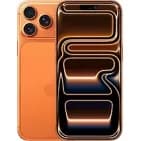
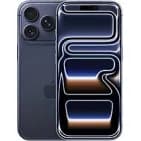
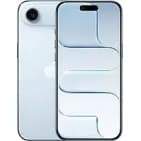
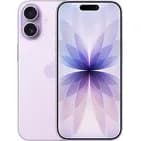
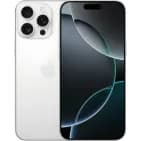
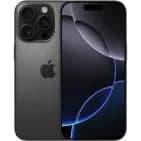
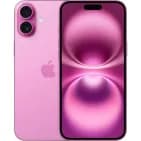
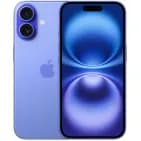
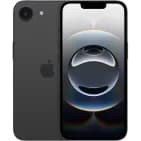
Accessories for the iPhone 18 — where to start
Protecting a phone comes down to three decisions: what to wrap the body in, what to shield the screen with, and whether to cover the camera lenses. Each of them has several variants, and the differences come from the material and the way it is fitted, not from the price on the tag. We break them down below so your choice is an informed one rather than a lucky guess.
Start by asking what actually threatens your phone. Protection is chosen differently for a device carried in a pocket alongside keys, differently for one that lives on a workshop bench, and differently again for a phone that ends up in a child's hands. Replacing a display out of warranty is one of the most expensive iPhone repairs, so money spent on glass pays for itself with the first fumbled grab.
Which case for the iPhone 18?
Choosing a case is a compromise between thickness, grip and shock absorption. The more material, the better the corners are protected, but the bigger the silhouette in your pocket. The full overview is gathered in the cases for iPhone 18 category.
Silicone cases
The most common starting choice: a thin layer of silicone with a microfibre lining. It improves grip, absorbs minor drops and saves the frame when the phone slides off a table. There is one drawback — the soft surface picks up dust and lint from your pocket.
Clear cases
For people who buy a phone for the colour of its body. Durability is decided by the material of the back: polycarbonate stays clear far longer than solid TPU, which takes on a yellow tint under UV light and heat.
Rugged cases
Two- or three-layer constructions: a rigid shell on the outside, a flexible insert inside and air pockets in the corners that absorb the energy of a fall. Some manufacturers declare compliance with the MIL-STD-810H standard. You buy these for working conditions, not for looks — you pay in thickness and weight.
Magnetic and MagSafe cases
These have a ring of magnets built in, so the phone holds onto a wireless charger, a car mount or a wallet without taking the case off. The magnets have to sit in a full circle and have the right strength — cheap copies with a few spot magnets let go at the first speed bump.
Leather and flip cases
Full-grain leather takes on a patina over time, microfibre copes better with moisture, and versions with card slots can replace a wallet. A flap shields the screen when the phone is put down face up, but gets in the way of taking a quick photo. This is the bulkiest part of the field.
Glass and screen protectors
The ways of protecting a screen differ in hardness, flexibility and thickness, and above all in how they behave at the edge of the display — that is what decides whether the protection starts to lift under a case.
9H tempered glass
A rigid pane bonded across the whole surface. It takes the energy of an impact and cracks instead of the display. The variants, including case-friendly versions and installation frames, are described in the tempered glass for iPhone 18 category.
Hybrid glass
A flexible backing with a thin ceramic layer: thinner than a classic pane, harder to break, and it sits better on a chamfered edge. In return it gives ground on scratch resistance. Details in the hybrid glass for iPhone 18 category.
Hydrogel film
The thinnest form of protection. It closes shallow scratches by itself, reaches right to the edge of the screen, does not chip and does not lift under a case. It does not, however, absorb impacts. Matte, clear and privacy versions are in the screen protectors for iPhone 18 category.
Privacy glass
It limits how much of the screen is visible to people sitting next to you. It makes sense on a train and in an open-plan office, less so at home — you have to raise the brightness, so the battery lasts a shorter time.
Camera lens protector
The camera module stands proud of the back of the body and touches the table first when you put the phone down. A scratch on a lens shows up in every backlit photo. The differences between rings and a full pane are described in the camera lens glass for iPhone 18 category.
How to match protection to the way you use your phone
- Manual work, building sites, workshops — a rugged case with a raised lip, full glue tempered glass and a lens protector. Room to spare in the corners is what counts.
- A phone in a child's hands — a thick shell with a grip or a strap, tempered glass rather than film, ideally with an installation frame that makes replacement easy.
- Cycling and running — a case with magnets and an extra mechanical mount, because magnets alone will not survive the shaking on cobbles. A waterproof layer is more use here than shock absorption.
- A pocket with keys and coins — the threat is scratches, not drops. A slim case and a hydrogel film or hybrid glass are enough.
- Office and travel — a magnetic case with a wallet, privacy glass and a mount for the table on a train.
Fitting glass and film without dust or bubbles
Most failed installations come from dust, not from a lack of practice. Degrease the screen with an isopropyl alcohol wipe, then lift the remaining specks with the sticker from the kit, and only then lay the pane down — in one movement, from the centre towards the edges. A closed bathroom a few minutes after a shower helps: water vapour settles the particles floating in the air.
Hydrogel films go on differently, wet: you moisten the surface with fitting fluid, position the sheet and squeeze the water out with a squeegee. The material forgives corrections, and any remaining bubbles disappear within a day. The installation frame supplied with tempered glass lines the pane up squarely with the edges of the phone and removes the most common mistake, which is fitting it crooked.
Looking after the oleophobic coating that limits fingerprints is simple: wipe with a dry microfibre cloth and take marks off with a slightly damp cloth. Alcohol, window sprays and paper towels strip the coating within weeks — that is when glass starts to catch at your fingers and slides worse under them.
Compatibility and fit
The most common question is whether accessories can be carried over from a previous phone. The honest answer is: do not count on it. Fit is decided by the width of the bezels, the corner radius, the position of the buttons and the cut-out for the camera module — fractions of a millimetre are enough to rule out interchangeability. This rule has not changed in years and applies to every generation.
A practical rule helps here: the chances of a case from a neighbouring model fitting depend on the type of case, not on the name of the phone. A slim silicone or TPU case with a flat, generous cut-out can sometimes be stretched on, because the material gives. Anything with a raised lip around the camera module, rings over the lenses or a full frame around the island then rests on the lenses instead of the body — and is ruled out. Glass and film cannot be moved over at all: once removed, a pane loses its adhesion, and the printed border rarely matches the same cut-outs.
Protection for the previous generation is in the iPhone 17 category, and for the slimmer design — in the iPhone Air category. The Pro variants are kept separately: iPhone 18 Pro and iPhone 18 Pro Max — they have different dimensions and a different camera layout, so cases, glass and lens protectors are not interchangeable between them. All the generations are gathered in the iPhone section, and the remaining accessories for Apple kit — in the Apple section.
Charging and complementary accessories
Chargers, cables and power banks carry over from generation to generation, because power standards do not depend on the shape of a body. With wireless charging, though, the thickness of the case matters: above roughly three millimetres, or with metal inserts and plates for magnetic mounts, energy transfer drops and the phone heats up. If you want to refresh your set, look into the smartphone chargers section and the cables category.
Frequently asked questions
How do I choose a case and glass for the iPhone 18 so they definitely fit?
Go by the full model name, not by the series or the screen diagonal alone. Accessories are designed from the drawings of a specific variant, which is why a product description always lists the model it fits. If your phone is not on that list, the fit is a matter of chance.
What is the difference between tempered glass and a screen protector?
Glass is rigid, around 0.3 mm thick and absorbs impacts, cracking instead of the display. Film is flexible, thinner, protects mainly against scratches and reaches right to the edge of the screen. For a pocket with keys a film is enough; if you tend to drop your phone, glass is better.
Will a case from another iPhone model fit the iPhone 18?
Do not count on it. Models within one series differ in height, width and the size of the camera island, and cases are designed with tolerances measured in tenths of a millimetre. Even when a shell can be stretched on, the buttons end up off-centre and the cut-out covers the lens.
Can tempered glass be moved over from another phone?
No. Once removed, a pane loses its adhesion and traps air and dust underneath when refitted. On top of that come different cut-outs for the speaker and sensors. Glass is a consumable — you replace it rather than move it.
How do accessories for the iPhone 18 and iPhone 18 Pro differ?
The standard model and the Pro have different dimensions and a different camera module layout, so cases, screen glass and lens protectors are not interchangeable. Chargers, cables and power banks stay common, because those depend on the power standard rather than the shape of the body.
How do I fit glass without dust or bubbles?
Degrease the screen with an isopropyl alcohol wipe, lift the remaining specks with the sticker from the kit and lay the pane down in one movement from the centre. If something stays under the glass, raise the corner and take it off with tape straight away, before the adhesive sets. The installation frame from the kit lines the glass up squarely.
Does glass on the screen interfere with the sensors and face unlock?
Well-made glass has cut-outs and clear windows where the sensors are, so it does not interfere. Problems appear with a cheap pane whose printed border overlaps the proximity sensor: the screen goes dark during a call or unlocking works with a delay.
Does a rugged case interfere with wireless charging?
Usually not, as long as it has no metal insert or a plate glued in for a car mount. Thickness matters: with very bulky shells charging slows down and the phone gets warmer. A case with a ring of magnets aligns the coils by itself, so energy flows more efficiently.
How do I look after the oleophobic coating on glass?
Wipe the screen with a dry microfibre cloth and take dirt off with a slightly damp cloth. Alcohol, window sprays and paper towels wear the coating away, after which the glass starts collecting fingerprints and resists your finger as it slides. A worn coating cannot be restored — you replace the whole pane.